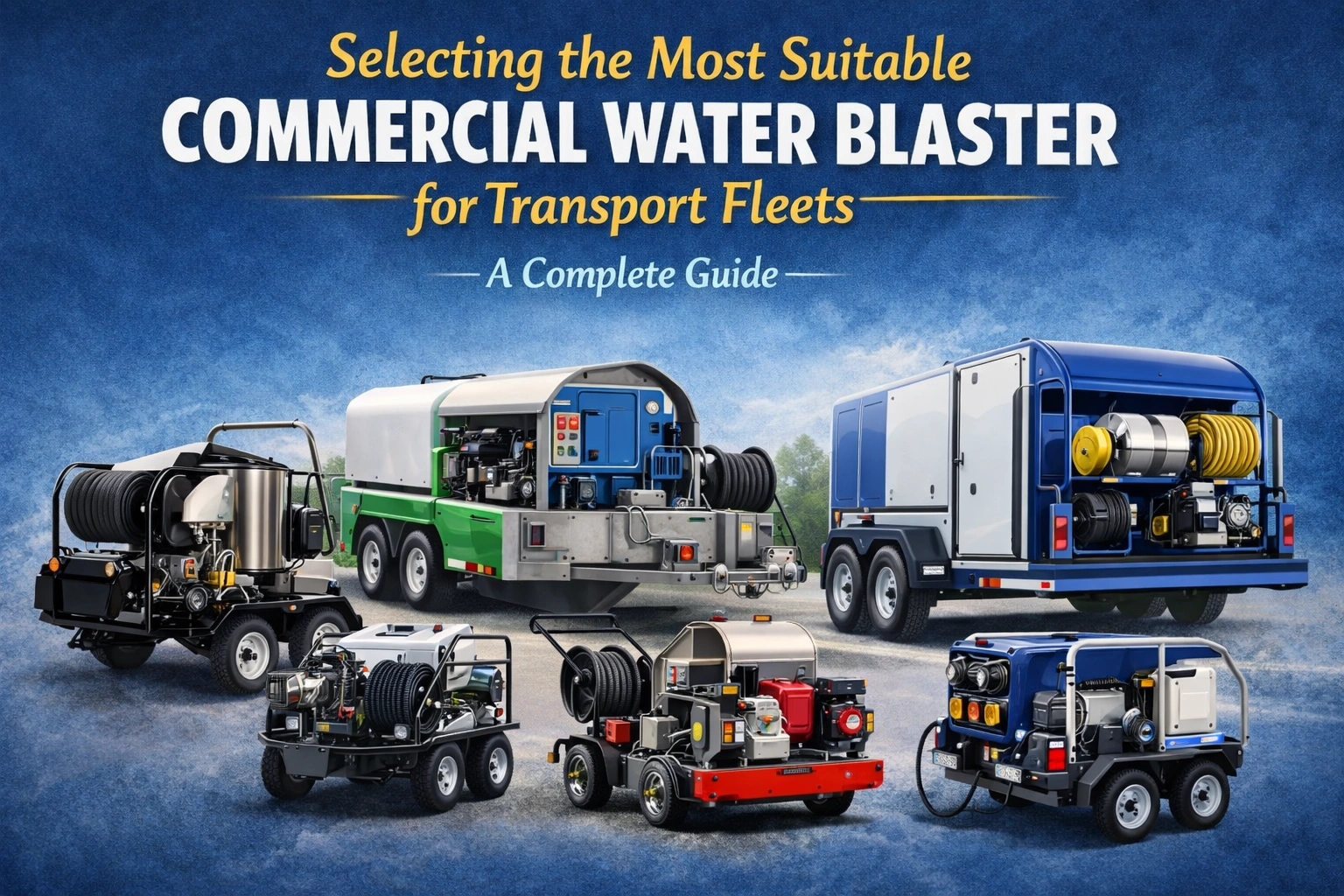
Transport fleets rely on regular cleaning to protect vehicle integrity, maintain strict safety standards, and uphold a professional brand image. For modern fleet operators, the challenge lies in removing road grime, grease, and heavy diesel residue while managing overheads. Selecting the right commercial water blaster is no longer just about power; it is about finding a system that reduces cleaning time, minimizes water consumption, and controls operating costs.
By investing in equipment specifically designed for the transport sector, operators can achieve a superior finish while significantly reducing their environmental footprint and utility costs.
PSL Blasters works closely with transport companies across New Zealand and frequently identifies the hidden costs of using mismatched equipment, including excessive downtime and inefficient water usage. Choosing the right solution begins with a strategic understanding of your fleet’s daily operational demands.
Assess Fleet Cleaning Needs
Fleet operators should first look at the type and size of vehicles they clean. Trucks, trailers, tankers, and rigid vehicles all present different cleaning challenges. Washing frequency and contamination levels also vary depending on operating routes and industries served.
Before selecting a commercial pressure cleaner, operators should consider:
- The number and size of vehicles in the fleet.
- How often do vehicles require washing?
- Areas with heavy contamination, such as chassis and underbodies.
- Available wash bay space and drainage.
This assessment helps avoid selecting equipment that is either underpowered or unnecessarily oversized.
Select Suitable Pressure and Flow Rates
Effective fleet washing relies on the right balance between pressure and water flow. Pressure loosens stubborn dirt, while flow efficiently removes it from large surfaces.
Using excessive pressure does not always yield improved results and can lead to increased wear on vehicle components. Commercial water blasters designed for fleet use deliver steady pressure and flow suited to regular, extended cleaning sessions rather than short, high-impact tasks.
Decide Between Hot and Cold Water Systems
Many transport fleets use hot pressure washers because heated water breaks down grease, oil, and traffic film more effectively than cold water alone. Hot professional water blasters often reduce cleaning time and limit the amount of chemicals required for heavy contamination.
Cold water systems are still suitable for lighter cleaning tasks, particularly when the dirt consists mainly of dust or mud. The level of contamination and frequency of washing should guide this decision.
PSL Blasters supplies both hot and cold commercial water blasters, reflecting the different requirements found across transport operations.
Match the Power Source to the Site
Fleet depots with a fixed wash bay often suit commercial electric water blasters. Electric systems offer consistent performance, predictable operating costs, and quieter operation compared to fuel-powered units.
Operators should ensure that the site has sufficient electrical capacity, adequate drainage, and proper ventilation to support safe and reliable operation.
Prioritise Build Quality and Durability
Fleet washing places repeated demands on equipment. A commercial pressure cleaner should utilise durable pumps, high-quality hoses and fittings specifically designed for continuous commercial use.
Machines designed for light or intermittent work may struggle to keep up with daily fleet cleaning schedules. Selecting equipment specifically designed for commercial environments helps minimise maintenance issues and prolong service life. Quality parts and accessories are essential for maintaining reliable performance.
Plan for Maintenance and Servicing
All commercial water blasters require routine maintenance. Fleet operators benefit from equipment that allows easy access to service parts and local repair support.
Regular servicing helps maintain performance, reduce unexpected downtime, and extend the working life of fleet wash equipment. PSL Blasters provides nationwide support for maintenance, repairs, and replacement parts.
Ensure Compatibility with Fleet Wash Chemicals
Transport fleet cleaning often involves truck wash cleaners and fleet wash chemicals. A suitable commercial water blaster should support controlled detergent application, including the use of foaming equipment where necessary.
Using professional cleaning products correctly enhances cleaning efficiency while protecting vehicle finishes and mechanical components. PSL Blasters supplies a complete range of fleet wash detergents designed to work with commercial water blasting systems.
Focus on Safe and Practical Operation
Operators use fleet wash equipment regularly, often in busy depot environments. Clear controls, stable pressure delivery, and reliable temperature regulation help reduce fatigue and improve consistency.
Good hose management and defined cleaning zones also support safer operation during routine washing.
Consider Long-Term Value
Fleet operators should look beyond the initial purchase price. Reliability, efficiency, servicing access, and suitability for the task determine the actual value of a commercial water blaster over time.
Well-specified equipment supports consistent cleaning, predictable costs, and reduced downtime, making it a practical asset within fleet operations.
Choosing Equipment That Supports Fleet Operations
Selecting a commercial water blaster for transport fleets requires a clear understanding of cleaning demands, operating conditions, and long-term use. By choosing equipment that aligns with fleet requirements and planning for maintenance and support, operators can keep vehicles in top condition while controlling cleaning costs. PSL Blasters offers workshop repairs, on-site servicing, and replacement parts nationwide, underscoring the importance of maintenance planning when investing in fleet wash equipment. Contact us to discuss your fleet cleaning requirements and find the right solution for your operation.